


پایه های پالت و شاخه های تودرتو به عنوان یک سیستم ارتفاع و انباشته دو جزئی کار...
اخبار صنعت
Jul 17,2026
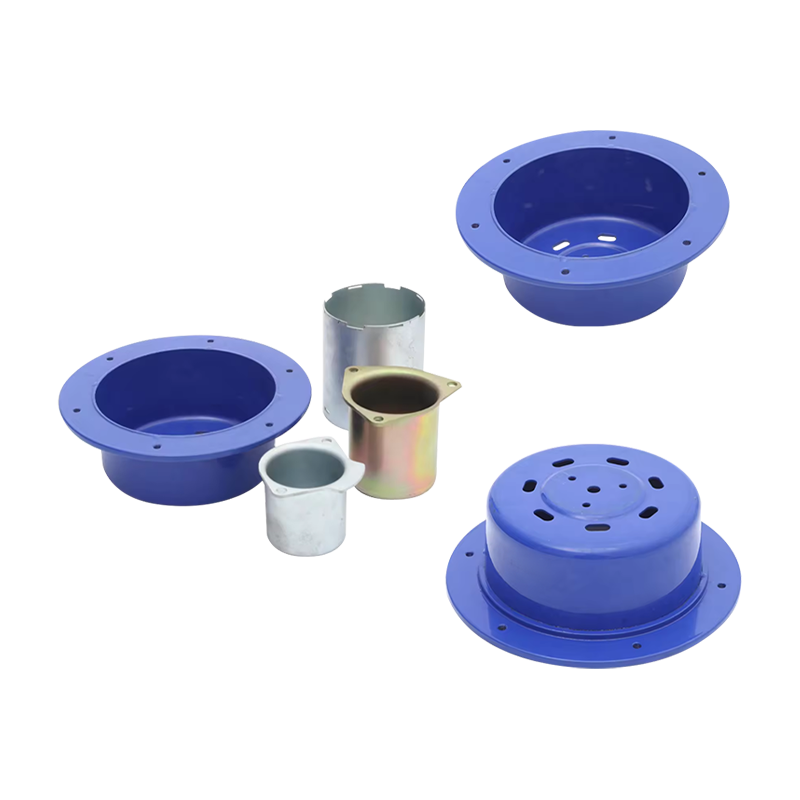
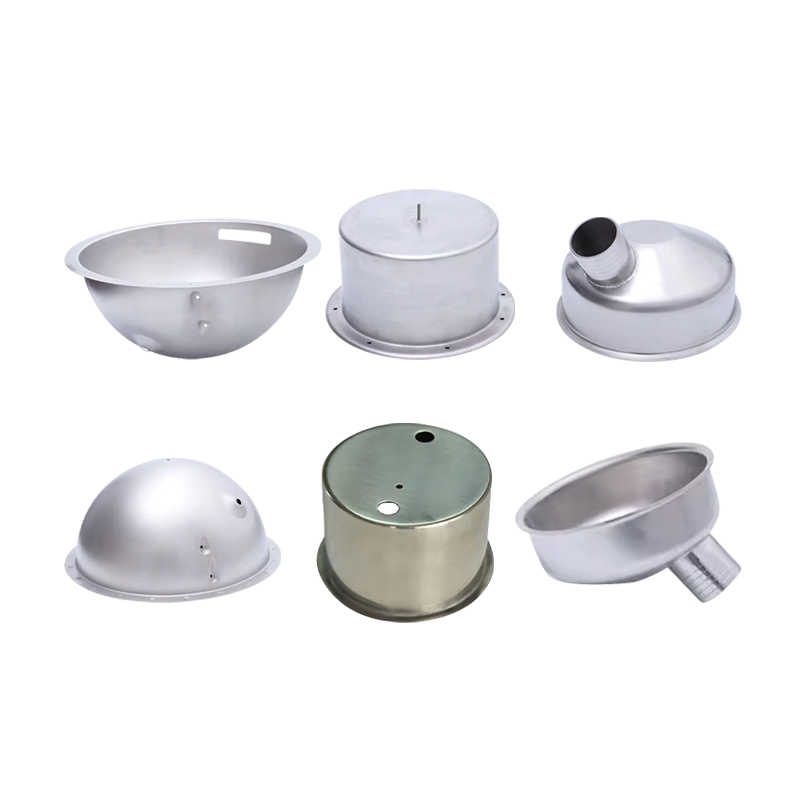
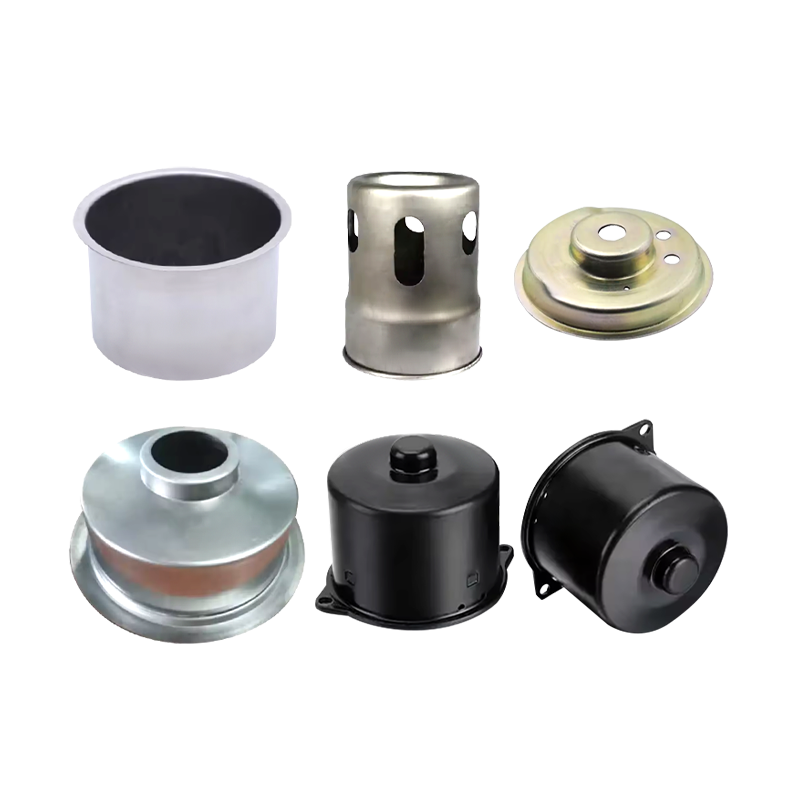
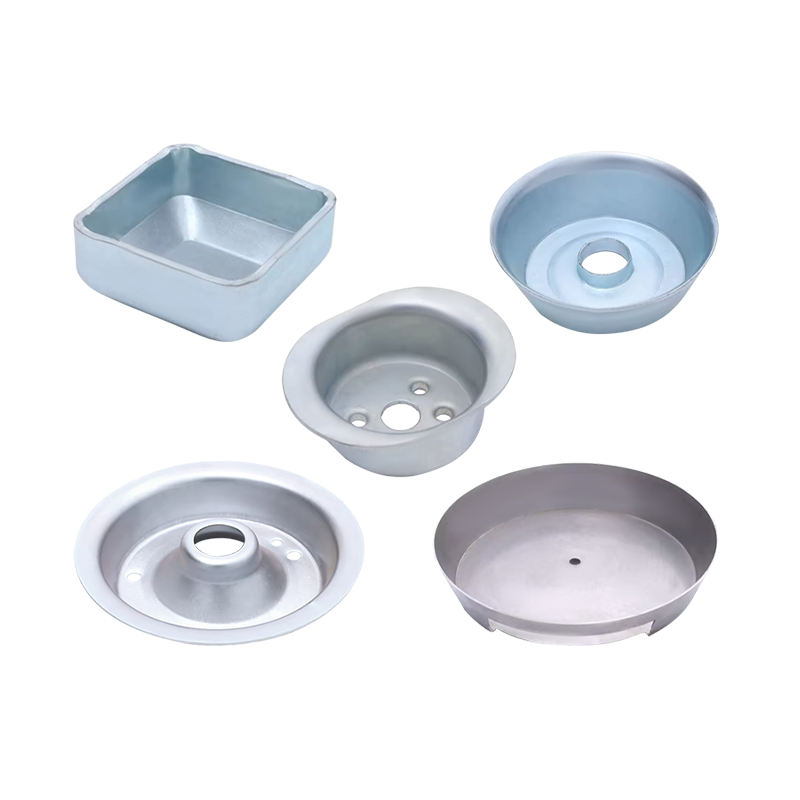
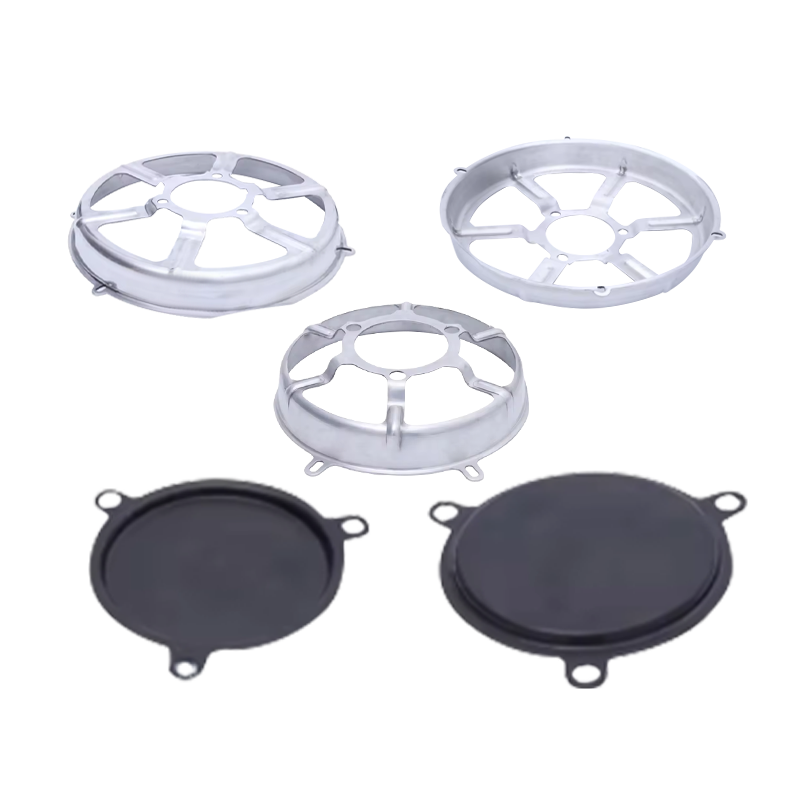
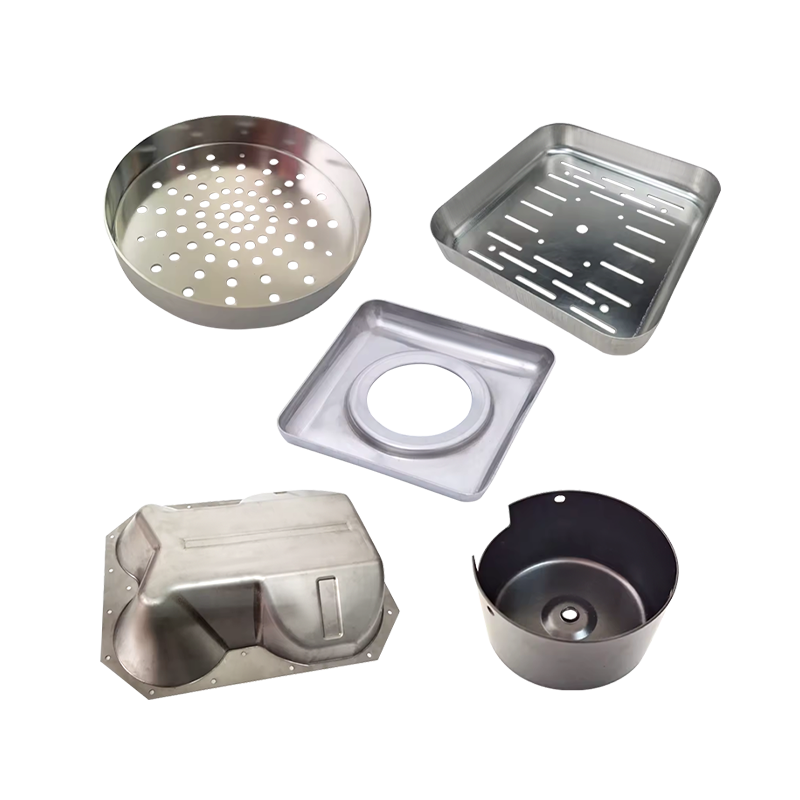
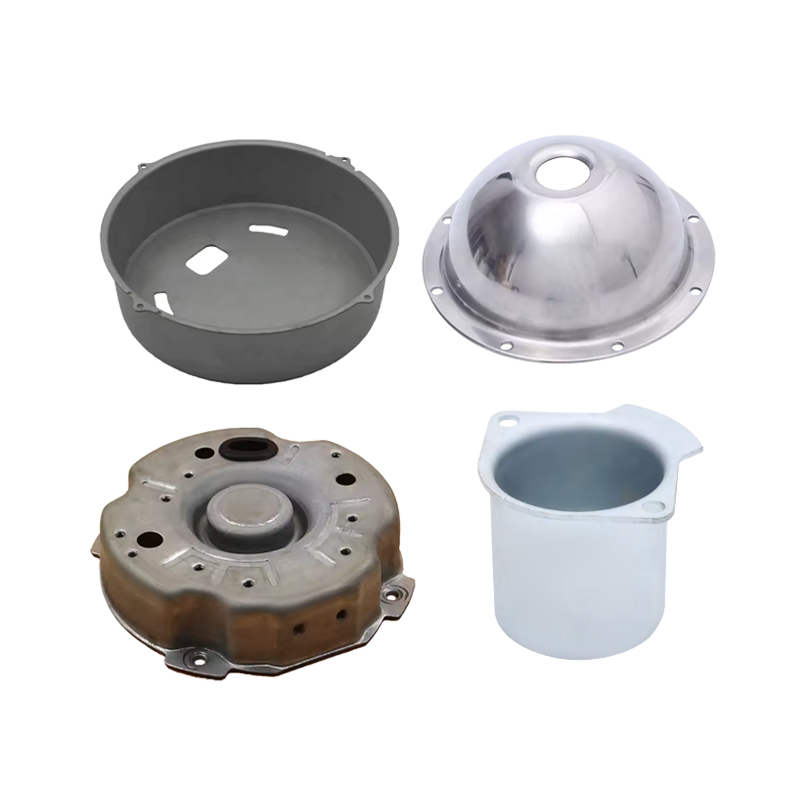
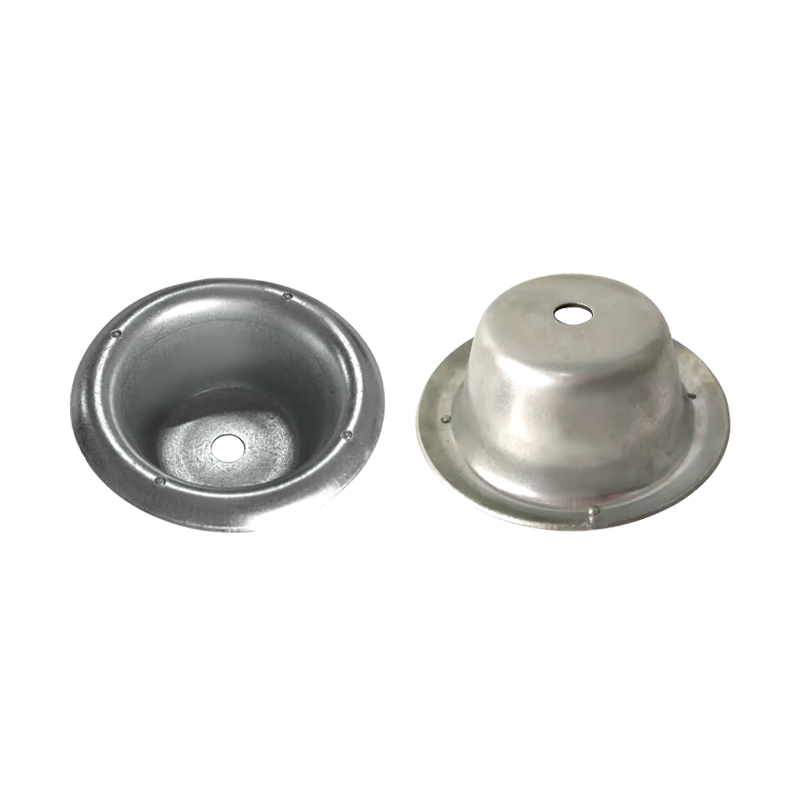
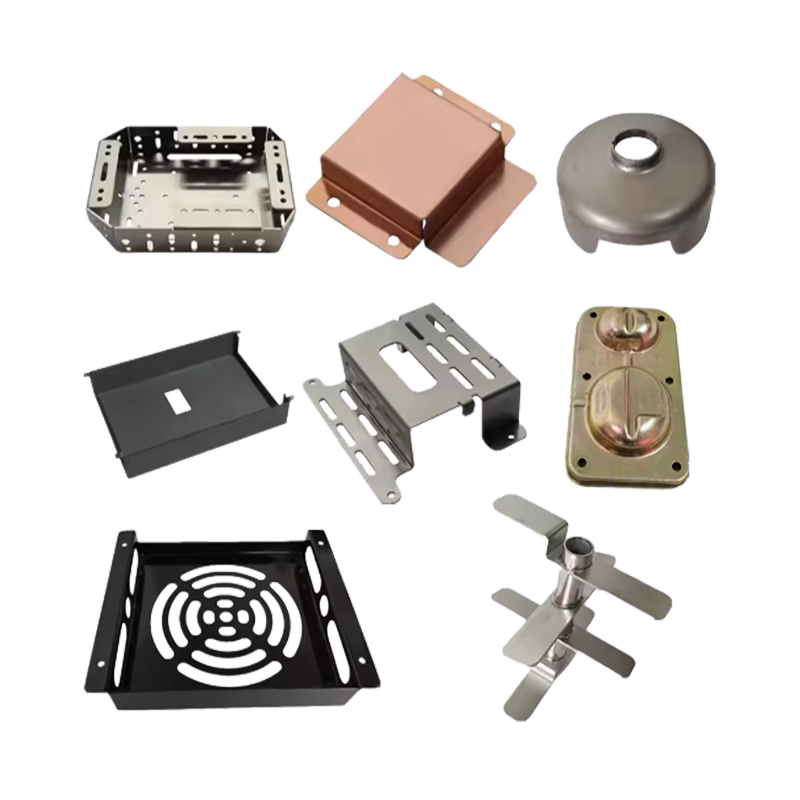
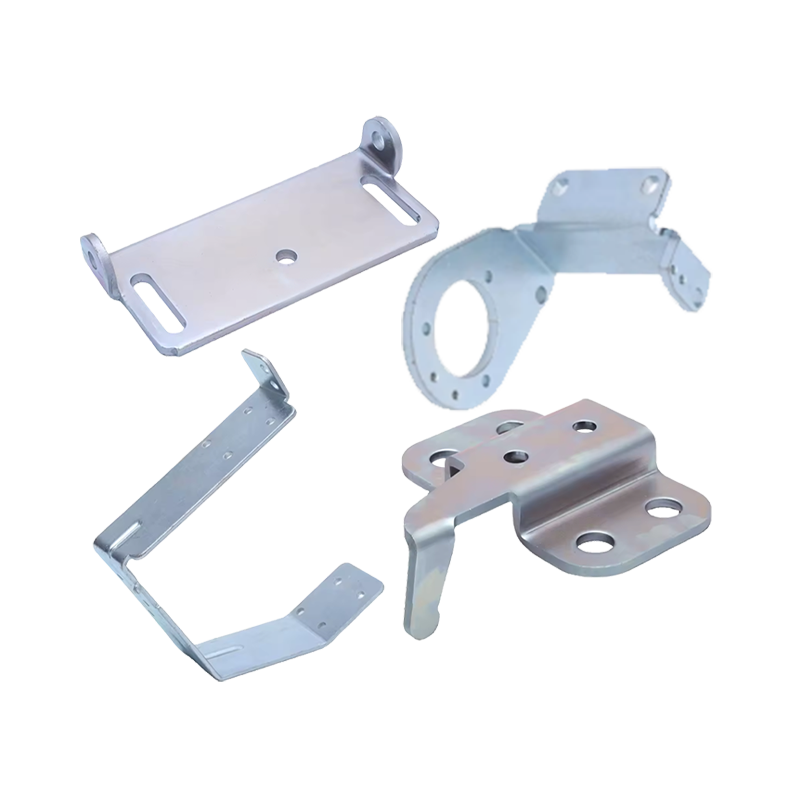
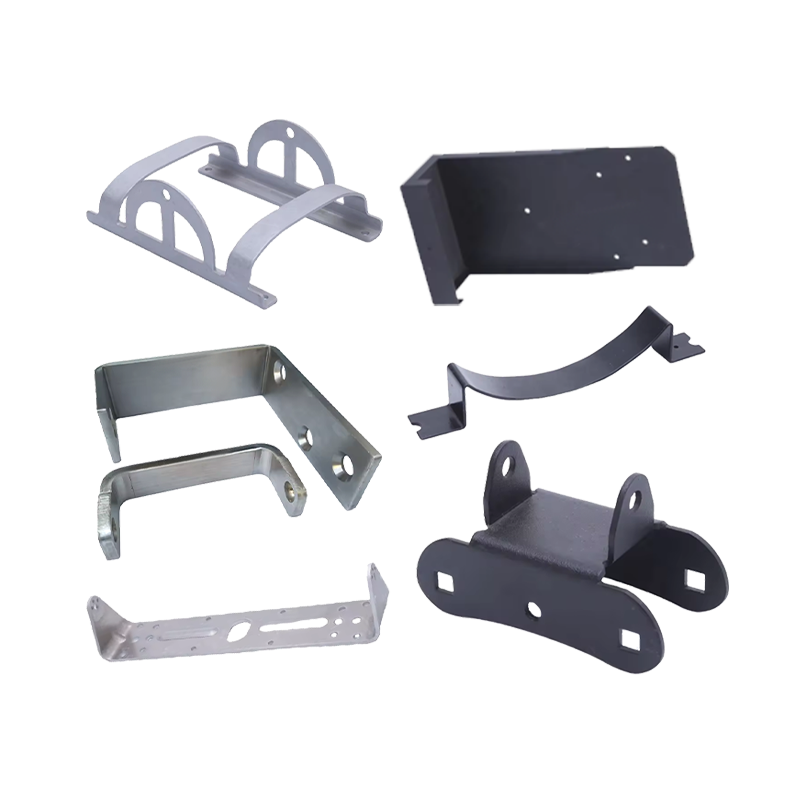
نقش قطعات مهر زنی فلزی در ساخت چیست؟
قطعات مهر زنی فلزی نقش اساسی در تولید مدرن با تبدیل ورق یا سیم پیچ فلزی مسطح به اجزای شکل دقیق با سرعت بالا و هزینه پایین برای هر واحد ایفا می کند. آنها تقریباً در هر دسته محصولی که از فلز استفاده میکنند، ظاهر میشوند، از پانلهای بدنه خودرو و قاب هواپیما گرفته تا شاسی گوشیهای هوشمند، ابزار جراحی و اتصالات الکتریکی. بازار جهانی مهر زنی فلز تقریباً ارزش گذاری شد 220 میلیارد دلار در سال 2024 و پیش بینی می شود تا سال 2033 به 281.5 میلیارد دلار برسد که با نرخ رشد مرکب سالانه 2.8 درصد رشد می کند، که نشان می دهد چقدر عمیق این فرآیند در پایه صنعتی جهان تعبیه شده است (منبع: گروه IMARC، گزارش بازار مهر فلزی 2024-2033). این مقیاس وجود دارد زیرا مهر زنی به طور مداوم آنچه را که تولیدکنندگان بیشتر به آن نیاز دارند ارائه می دهد: تکرارپذیری ابعادی، کارایی مواد و توانایی تولید میلیون ها قطعه یکسان بدون کاهش کیفیت.
مهر زنی فلز چیست و چگونه کار می کند
مهر زنی فلزی یک فرآیند شکل دهی سرد است که در آن ورق، نوار یا کلاف فلزی مسطح در پرس مجهز به مجموعه قالب سفارشی قرار داده می شود و برای شکل دادن، برش یا شکل دادن به فلز به شکل هندسی مورد نظر نیرو اعمال می شود. Stratview Research این فرآیند را به وضوح توصیف میکند: پرسها با استفاده از قالبهای دقیقی که بهطور خاص برای محصول یا جزء مورد نظر طراحی شدهاند، به فلز فشار وارد میکنند، و همان مجموعه عملیات شامل شکلدهی، برش و شکلدهی در یک گردش کار کنترلشده واحد است (منبع: Stratview Research، Metal Stamping Market).
این فرآیند یک عملیات واحد نیست بلکه یک خانواده از تکنیک های مرتبط است. متداولترین روشهایی که استفاده میشود عبارتند از: پر کردن، خم کردن، سوراخ کردن، کشیدن، سکهزنی و برجستهسازی که هر کدام نتیجه متفاوتی روی ورق فلزی ایجاد میکنند. Coherent Market Insights گزارش می دهد که خالی کردن بیشترین سهم بخش فرآیند را با 42 درصد در سال 2026 داشت در درجه اول به این دلیل که تولیدکنندگان را قادر می سازد تا قطعات فلزی را به سرعت و با دقت با حداقل ضایعات مواد تولید کنند، عاملی که آن را در خطوط تولید خودرو، الکترونیک و لوازم خانگی ضروری می کند (منبع: بینش بازار منسجم، بازار مهر فلزی 2026-2033).
انواع فرآیند مهر زنی کلیدی
| فرآیند | چه کاری انجام می دهد | برنامه معمولی |
| Blanking | یک شکل صاف از ورق فلز با لبه های تمیز برش می دهد | پانل های بدنه خودرو، قطعات لوازم خانگی |
| خم شدن | ورق فلز را به شکل پروفیل های زاویه دار یا منحنی تشکیل می دهد | چرخ ها، لولاهای درب، براکت های مونتاژ موتور |
| سوراخ کردن | سوراخ یا شکاف روی فلز ایجاد می کند | سوراخ های بست، شکاف های هواگیری، براکت های ساختاری |
| طراحی عمیق | ورق صاف را به شکل فنجان یا جعبه سه بعدی می کشد | قوطی های نوشیدنی، مخازن سوخت، محفظه ها |
| سکه گذاری | فشار بسیار بالایی را برای پوشش های با تحمل محکم اعمال می کند | اتصالات دقیق، تولید سکه، خالی کردن دقیق |
| نقش برجسته | الگوهای سطح برجسته یا فرورفته ایجاد می کند | پانل های تزئینی، بسته بندی، اجزای برندسازی |
چرا قطعات مهر زنی فلزی در تولید بسیار مهم هستند؟
سه ویژگی، قطعات فلزی مهر شده را به یک انتخاب تقریباً جهانی برای تولیدکنندگانی که با حجم معنیدار تولید میکنند تبدیل میکند: سرعت، ثبات ابعادی و کارایی مواد.
تولید با حجم بالا با هزینه پایین برای هر واحد
پرس های مهر زنی می توانند با سرعت چرخه بسیار بالا کار کنند و قطعات پیچیده ای را در یک حرکت تولید کنند که به چندین عملیات ماشینکاری با هر روش دیگری نیاز دارد. MarketsandMarkets گزاره ارزش اصلی را مستقیماً توصیف می کند: مهر زنی فلز دارای چندین مزیت است، از جمله ظرفیت تولید مقادیر زیادی از قطعات به سرعت و مقرون به صرفه، و همچنین ظرفیت ساخت اشکال و طرح های پیچیده با دقت و دقت بسیار زیاد (منبع: MarketsandMarkets، Metal Incasting Forestry Size و Metal Incast). هنگامی که یک مجموعه قالب در طول یک دوره تولید به اندازه کافی بزرگ مستهلک می شود، هزینه هر قطعه به طور قابل توجهی کمتر از آنچه ریخته گری، ماشینکاری یا ساخت برای همان هندسه می تواند به دست آورد کاهش می یابد.
سازگاری ابعادی در میلیون ها قطعه
یک مجموعه قالب دقیق هندسه یکسانی را در هر ضربه ایجاد می کند. این تکرارپذیری خاصیتی است که قطعات مهر شده را در تولید خط مونتاژ قابل اعتماد میکند، جایی که تلورانسها باید به طور مداوم در هزاران یا میلیونها واحد برآورده شوند. Technavio گزارش می دهد که فناوری سروو پرس کارایی و دقت تولید را در مهر زنی فلز افزایش می دهد و کنترل فرآیند آماری کیفیت ثابت در حجم را تضمین می کند (منبع: Technavio، تجزیه و تحلیل رشد بازار مهر زنی فلز 2025-2029). برای صنایعی مانند خودروسازی و تجهیزات پزشکی، که در آن یک قطعه بدون تحمل میتواند مشکل ایمنی در پایین دست ایجاد کند، این ثبات یک راحتی نیست، بلکه یک الزام است.
بهره وری مواد
مهر زنی فلزی، به ویژه خالی کردن، برای به حداقل رساندن ضایعات مهندسی شده است. طرحبندیهای خالی تو در تو، حداکثر تعداد قطعات مفید را از هر سیم پیچ یا ورق استخراج میکنند و فرآیندهای خالی کردن ظریف نیازهای پردازش فرعی و ثانویه را کاهش میدهند. Coherent Market Insights خاطرنشان میکند که خالی کردن از تولیدکنندگان پشتیبانی میکند، زیرا تولید قطعات فلزی را با حداقل ضایعات مواد امکانپذیر میکند، عاملی که به دلیل نوسان هزینههای مواد خام و سفت شدن اهداف پایداری اهمیت فزایندهای دارد (منبع: بینش بازار منسجم، بازار مهر فلزی 2026-2033).
صنایعی که به قطعات مهر زنی فلزی وابسته هستند
گستردگی کاربرد مهر زنی فلز در صنایع مختلف یکی از مشخصه های تعیین کننده آن است. تعداد کمی از فرآیندهای تولیدی دیگر اجزاء را به تعداد زیادی از بازارهای نهایی به طور همزمان عرضه می کنند.
خودرو و حمل و نقل
بخش خودرو به طور مداوم به عنوان بزرگترین محرک تقاضای مهر و موم فلزات شناخته می شود. تحقیقات گراند ویو گزارش می دهد که بخش خودرو و حمل و نقل سهم درآمدی از آن را به خود اختصاص داده است بیش از 34 درصد از بازار جهانی مهر زنی فلزات در سال 2023 خودروهای سواری، خودروهای تجاری سبک، کامیونهای سنگین، اتوبوسها و اتوبوسها را پوشش میدهد، که همگی از قطعات مهر شده در پانلهای بدنه، شاسی و اجزای موتور برای حفظ استانداردهای ایمنی و کنترل هزینهها استفاده میکنند (منبع: تحقیقات گراند ویو، گزارش اندازه بازار و رشد مهر فلزی 2030). تولید جهانی خودرو در سال 2022 نسبت به سال 2021 6 درصد افزایش یافت و این رشد حجم مستقیماً تقاضا برای قطعات مهر شده را در هر سطح از زنجیره تأمین هدایت می کند (منبع: تحقیقات گراند ویو به نقل از سازمان بین المللی سازندگان وسایل نقلیه موتوری). تغییر به سمت وسایل نقلیه الکتریکی این تقاضا را بیشتر گسترش می دهد، با محفظه های باتری، محفظه موتور، و براکت های زیرساخت شارژ که همگی به مهر زنی دقیق نیاز دارند.
لوازم الکترونیکی مصرفی
دستگاههای الکترونیکی مدرن برای اجزای کوچک و دقیق تشکیلشده که دستگاهها را کنار هم نگه میدارند و سیگنالهای الکتریکی را حمل میکنند، به مهر و موم فلزی متکی هستند. تحقیقات گراند ویو، صنعت رو به رشد لوازم الکترونیکی مصرفی را به عنوان یک محرک کلیدی در رشد بازار مهر و موم فلزی شناسایی میکند، بهویژه به استفاده از قابهای فلزی در تلفنهای همراه، هدفون، بلندگوها و گیمپدها اشاره میکند (منبع: تحقیقات گراند ویو، گزارش اندازه سهم و رشد بازار مهر فلزی 2030). در تولید تلفن همراه، قطعات مهر شده شامل آنتنها، شاسی و نگهدارندههای لنز دوربین هستند، جایی که تحمل بالا، مقاومت در برابر خوردگی، هدایت الکتریکی و سطح صاف به طور همزمان مورد نیاز است، ترکیبی که مهر زنی میتواند در حجمهای تولیدی که سایر فرآیندها قادر به انجام آن نیستند، برآورده شود (منبع: تحقیقات گراند ویو).
هوافضا
سازندگان هواپیما از مهر و موم فلزی برای تولید کانالها، قابها و اجزای ساختاری استفاده میکنند که در آنها ترکیب سبکوزن، استحکام بالا و تحملهای ابعادی دقیق بسیار مهم است. SkyQuestTT گزارش می دهد که مهر و موم فلزی در هوافضا دوام را فراهم می کند و یک راه حل مقرون به صرفه برای ساخت قطعات هواپیما است، و انتظار می رود افزایش تولید هواپیماهای تجاری و جنگنده باعث افزایش تقاضای هوافضا شود (منبع: SkyQuestTT، Metal Stamping Market Size Trends and Forecast 2032). تولید فریمهای سبک وزن به جای مشابههای ماشینکاری شده، مصرف سوخت هواپیما را کاهش میدهد و در عین حال عملکرد ساختاری را حفظ میکند.
تجهیزات پزشکی
استفاده صنعت پزشکی از مهر زنی فلزات قابل توجه و رو به رشد است. MarketsandMarkets مشخص می کند که مهر زنی فلزی به طور گسترده در بخش پزشکی برای تولید قطعات فلزی دقیق و با کیفیت بالا برای دستگاه های پزشکی، دستگاه های قابل کاشت، ابزارهای جراحی و تجهیزات تشخیصی استفاده می شود، و اینکه گرایش به سمت کوچک سازی دستگاه های پزشکی، محرک مستقیم تقاضا برای مهر در این بخش است (منبع: MarketsandMarkets، Site Metalcasting و Site Metalcasting). مهر زنی با گیج نازک، با استفاده از موادی با ضخامت 0.4 میلیمتر یا کمتر، ساخت قطعات بسیار کوچک با تلورانسهای محدود را امکانپذیر میسازد که فرآیندهای دستی یا ماشینکاری شده نمیتوانند در مقیاس تولید کنند.
ماشین آلات ساختمانی و صنعتی
در ساخت و ساز، قطعات فولادی مهر و موم شده برای براکت های ساختاری، اتصالات و اجزای سازگار با اتصال دهنده ها استفاده می شود که دوام و مقاومت در برابر خوردگی الزامات اولیه هستند. گروه IMARC اشاره می کند که صنعت ساخت و ساز از مهر و موم های فولادی برای ساخت قطعات ساختاری، براکت ها و اتصالات استفاده می کند و این بخش از دوام و مقاومت در برابر خوردگی آنها سود می برد (منبع: گروه IMARC، گزارش بازار مهر فلزی 2024-2033). در ماشینهای صنعتی، قطعات مهر شده در تجهیزات کشاورزی، سیستمهای تولید برق و تجهیزات جابجایی مواد در هر جایی که به قطعات فلزی با فرمدهی دقیق نیاز باشد ظاهر میشوند.
مواد مورد استفاده در مهر زنی فلز و چرایی انتخاب آنها
انتخاب مواد در مهر زنی فلز به دلیل خواص مکانیکی مورد نیاز در قسمت نهایی و ویژگی های شکل دهی است که اجازه می دهد ماده بدون ترک خوردگی یا برگشت فنری فراتر از حد تحمل مهر شود.
- فولاد، از جمله فولاد با استحکام بالا و فولاد با استحکام بالا پیشرفته، ماده غالبی است که برای استحکام و دوام در کاربردهای خودروسازی و ساختمانی ارزش دارد. Stratview Research اشاره می کند که انتظار می رود فولاد به عنوان ماده غالب و سریع ترین رشد در بازار مهر زنی فلز باقی بماند (منبع: Stratview Research، Metal Stamping Market)
- آلومینیوم سبک وزن و مقاوم در برابر خوردگی است، و آن را به انتخاب ارجح در ساختارهای بدنه هوافضا، الکترونیک و EV تبدیل می کند که در آن کاهش وزن مستقیماً بر عملکرد تأثیر می گذارد.
- مس به طور گسترده ای برای هدایت الکتریکی و چکش خواری آن استفاده می شود و نقش اصلی را در ساخت کنتاکت های الکتریکی، کانکتورها، باس بارها و پایانه ها ایفا می کند.
- فولاد ضد زنگ برای قطعاتی که نیاز به مقاومت در برابر خوردگی و بهداشت دارند، از جمله ابزار پزشکی و اجزای پردازش مواد غذایی انتخاب شده است.
انتظار می رود که مواد نازک گیج با ضخامت 2.5 میلی متر یا کمتر از آن را حفظ کنند بیشترین سهم بازار با 41.64 درصد در سال 2026 ، ناشی از تقاضای سازنده برای قطعات سبک، فشرده و دقیق در کاربردهای الکترونیک و خودرو (منبع: بینش بازار منسجم، بازار مهر فلزی 2026-2033).
چگونه فناوری مهر زنی فلز را تغییر می دهد
مکانیک اصلی مهر زنی فلز در طول دهه ها اصلاح شده است، اما فناوری پیرامون پرس، قالب و خط تولید به طور قابل توجهی تکامل یافته است، و این تغییرات در حال گسترش آن چیزی است که قطعات مهر زنی فلزی می توانند انجام دهند و تا چه حد می توانند تولید شوند.
فناوری سروو پرس
سروو پرس ها جایگزین درایو مکانیکی با حرکت ثابت با یک موتور سروو قابل برنامه ریزی می شوند که به این امکان را می دهد تا سرعت رم، موقعیت و حرکت در زمان واقعی بسته به مواد و عملکرد تنظیم شود. Technavio گزارش می دهد که فناوری سروو پرس هم کارایی و هم دقت تولید را افزایش می دهد و در کنار سیستم های خودکار مهر زنی به طور فزاینده ای رایج می شود زیرا تولید کنندگان به دنبال ساده سازی تولید و بهبود بهینه سازی عمر قالب هستند (منبع: Technavio، تجزیه و تحلیل رشد بازار مهر زنی فلز 2025-2029).
مهر زنی پیشرونده
مهر زنی پیشرونده یک فرآیند چند مرحله ای است که در آن یک نوار فلزی از طریق یک سری ایستگاه های قالب پیشروی می کند که هر کدام یک عملیات را انجام می دهند تا زمانی که قسمت تکمیل شده در انتهای نوار در یک گذر پیوسته واحد خارج شود. Coherent Market Insights اشاره میکند که تکنیکهای چند مرحلهای مهر زنی مترقی چند مرحله شکلدهی را در یک فرآیند پیوسته ترکیب میکند، کارایی تولید را با کاهش زمان رسیدگی و به حداقل رساندن خطاها بهبود میبخشد، در حالی که امکان ساخت قطعات پیچیده در مراحل کمتر، کاهش هزینهها و افزایش دقت را فراهم میآورد (منبع: Coherent Me203036-20 Marketing. این رویکرد به ویژه برای قطعات کوچک و پیچیده تولید شده در حجم بسیار بالا بسیار ارزشمند است.
اتوماسیون و رباتیک
گروه IMARC اتوماسیون و رباتیک را به عنوان یک محرک بازده قابل توجه در صنعت مهر زنی فلزی معرفی می کند و خاطرنشان می کند که تولیدکنندگان می توانند زمان و هزینه های تولید را به طور قابل توجهی با خودکارسازی کارهای تکراری و پر زحمت، افزایش سودآوری و رقابت کاهش دهند (منبع: گروه IMARC، گزارش بازار مهر فلزی 2024-2033). بازوهای رباتیک بارگیری و تخلیه مواد، تغییرات قالب و بازرسی کیفیت را کنترل میکنند و نیاز به کار دستی را کاهش میدهند و در عین حال ثبات را در طول دورههای تولید طولانی بهبود میبخشند.
چرا دقت و انتخاب مواد در تعیین قطعات مهر شده اهمیت دارد؟
همه عملیات مهر زنی فلز از نظر قابلیت برابر نیستند. تحملی که یک تامین کننده می تواند داشته باشد، محدوده موادی که می توانند پردازش کنند و پیچیدگی طراحی قالبی که می تواند پشتیبانی کند، همگی تعیین می کنند که آیا یک قطعه مهر شده معین می تواند به طور قابل اعتماد در مقیاس تهیه شود یا خیر. Coherent Market Insights خاطرنشان میکند که از آنجایی که صنایع با حجم بالا به قطعات پیچیده با تحملهای محدود نیاز دارند، طرحهای ابزار پیچیدهتر میشوند تا قطعات پیچیده در مراحل کمتری تولید شوند (منبع: بینش بازار منسجم، بازار مهر فلزی 2026-2033).
برای مهندسان و تیمهای تدارکاتی که قطعات مهر شده را مشخص میکنند، سؤالات کلیدی این است که آیا تناژ پرس و قابلیت قالب تأمینکننده با هندسه قطعه مطابقت دارد، آیا سیستم کنترل کیفیت از تلورانسهای مورد نیاز پشتیبانی میکند و آیا قابلیت ردیابی مواد در طول فرآیند تولید حفظ میشود یا خیر. دی اس متال قطعات مهر زنی فلزی این قابلیت برای پاسخگویی به این نیازها در طیف وسیعی از مواد و سطوح پیچیدگی قطعات ساخته شده است، و منبع قابل اعتمادی برای قطعات مهر و موم دقیق به تولیدکنندگان ارائه میکند که مشخصات ابعادی و مواد را در طول دورههای تولید با حجم بالا برآورده میکنند.
استفاده از قطعات مهر زنی فلزی چگونه می تواند کارایی تولید را بهبود بخشد؟
What are pallet feet and nesting plugs?
محصولات مرتبط
ارسال یک استعلام
در تماس با ما در صورت نیاز دریغ نکنید!
چه بخواهید شریک ما شوید یا به راهنمایی یا پشتیبانی حرفه ای ما در انتخاب محصول و راه حل های مشکل نیاز داشته باشید، کارشناسان ما همیشه آماده هستند تا در عرض 12 ساعت در سطح جهانی به شما کمک کنند.
تماس با ما
Phone:+86 139-5824-9488
FAX :+86 574-86150176
E-mail: [email protected] [email protected]
Address: واحد 2، ساختمان 19، پارک Zhichuangzhizao، منطقه صنعتی چنگدونگ، Xiangshan، Ningbo، 315705، ژجیانگ، چین
برای انتخاب با کیفیت بالا قطعات مهر زنی فلزی ، پنج حوزه را به ترتیب ارزیابی...
قطعات مهر زنی فلزی راندمان تولید را از طریق چهار مکانیسم به هم پیوسته بهبود می...
دسته بندی محصولات
موبایل
