


پایه های پالت و شاخه های تودرتو به عنوان یک سیستم ارتفاع و انباشته دو جزئی کار...
اخبار صنعت
Jul 31,2026
چگونه قطعات مهر زنی فلزی با کیفیت بالا را انتخاب کنیم؟
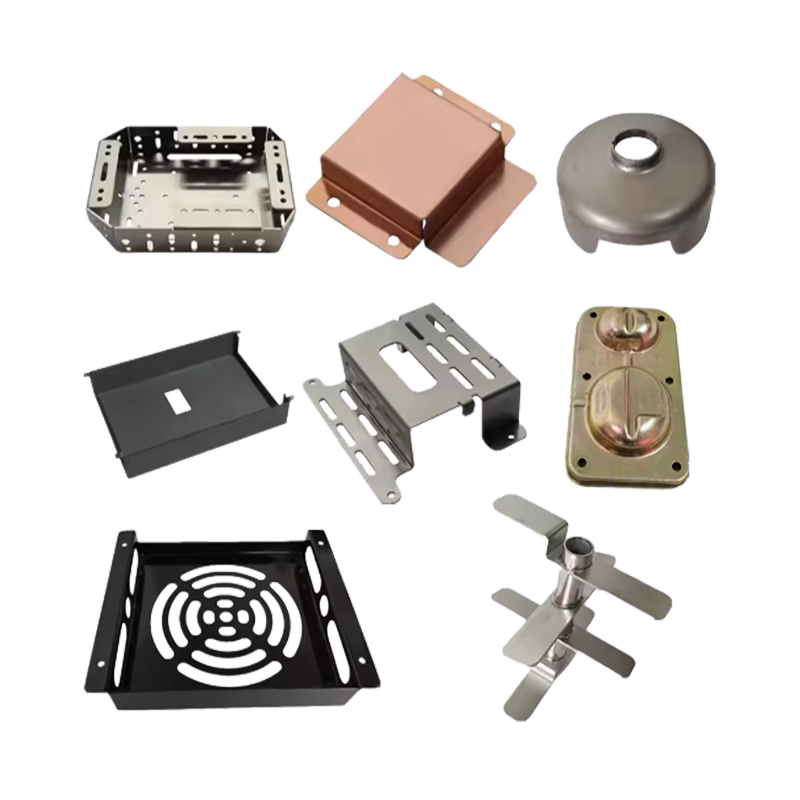
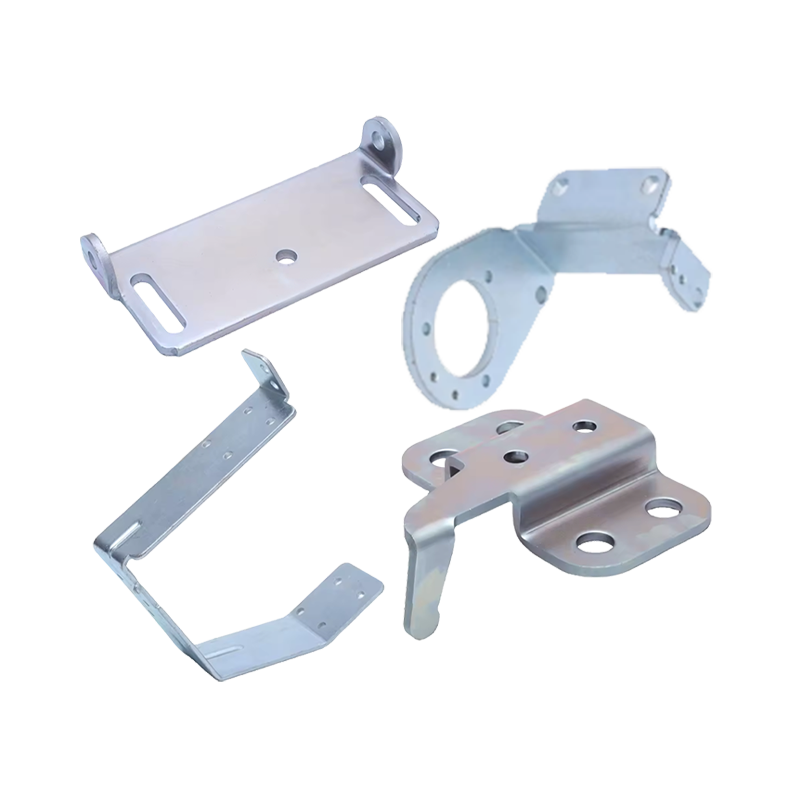
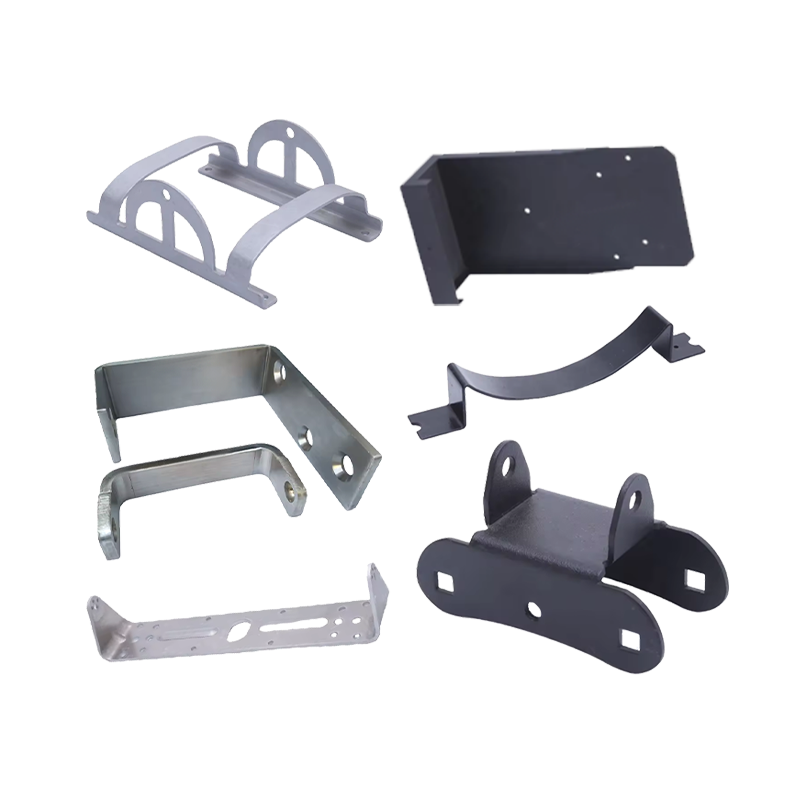
برای انتخاب با کیفیت بالا قطعات مهر زنی فلزی ، پنج حوزه را به ترتیب ارزیابی کنید: گواهینامه های تامین کننده و سیستم مدیریت کیفیت، قابلیت تحمل آنها نسبت به الزامات نقشه کشی شما، روش های ردیابی و تأیید مواد که از آنها پیروی می کنند، استانداردهای طراحی و نگهداری ابزار که اعمال می کنند، و روش های بازرسی در حین فرآیند که در طول تولید استفاده می کنند. Xiluomold استاندارد ارزیابی را مستقیماً خلاصه میکند: یک سیستم مدیریت کیفیت قوی غیرقابل مذاکره است، گواهینامهها تأییدیه شخص ثالث واضحی از تعهد تأمینکننده به فرآیندهای کیفیت هستند، و تجهیزات بازرسی مانند دستگاههای اندازهگیری مختصات، سیستمهای بینایی و گیجهای کالیبره شده سرمایهگذاری آنها را در دقت انتخاب میکنند (Source: تامین کننده: یک چک لیست کامل و سوالاتی که باید بپرسید). اشتباه گرفتن هر یک از این پنج قسمت در یک سفارش با حجم بالا، مشکلاتی را ایجاد می کند که پس از مونتاژ شدن قطعات، گران هستند و به کندی اصلاح می شوند.
قبل از ارزیابی تامین کنندگان، با مشخصات خود شروع کنید
یک اشتباه رایج در منبع یابی نزدیک شدن به تامین کنندگان قبل از تعریف کامل الزامات قطعه است. هنگامی که مشخصات ناقص هستند، تامین کنندگان شکاف ها را با مفروضات خود پر می کنند و این مفروضات ممکن است با آنچه برنامه واقعاً می خواهد مطابقت نداشته باشد.
Xiluomold یک ارزیابی داخلی ساختاریافته را قبل از هر تماس با تامینکننده توصیه میکند: تأیید کنید که آیا تلورانسها تحملهای تجاری استاندارد هستند یا الزامات دقیقتر، میزان مصرف تخمینی سالانه و مقادیر سفارش معمولی را تعریف کنید تا تامینکننده بتواند کارآمدترین رویکرد ابزارسازی را انتخاب کند، و جدولهای زمانی نمونهسازی اولیه و الزامات زمان تولید برای اولین بار را روشن کند (منبع: Xiluomolder How To Selecting the Roupold). پلتفرم منبع یابی Haizol اضافه می کند که پروژه هایی که به منسجم ترین نتایج کیفیت دست می یابند، عادات مشخصی را به اشتراک می گذارند: مواد نامگذاری شده با استنادهای استاندارد کامل مانند 316 ضد زنگ در هر ASTM A240 به جای فولاد ضد زنگ، تلورانس های عددی تعریف شده به جای ارجاعات عمومی، و الزامات پرداخت سطح غربی به صراحت بیان شده است (منبع: Quimpurtalance، چینی Assurtalance v. 2026). ارائه این سطح از جزئیات از قبل به یک تامین کننده اجازه می دهد تا قیمت دقیقی ارائه دهد و تأیید کند که آیا تجهیزات و فرآیندهای آنها واقعاً می توانند خواسته های شما را قبل از شروع رابطه برآورده کنند یا خیر.
گواهینامه های مطابق با صنعت شما را تأیید کنید
گواهینامه ها قابل تعویض نیستند. گواهینامه مناسب برای براکت لوازم الکترونیکی مصرفی با گواهینامه مناسب برای یک قطعه ایمنی خودرو یا یک دستگاه ایمپلنت پزشکی متفاوت است و تامینکنندهای که گواهینامه اشتباهی دارد هیچ تضمین کیفیت تایید شدهای برای برنامه خاص شما ارائه نمیکند.
ISO 9001:2015 به عنوان پایه
ISO 9001:2015 بیان می کند که یک تامین کننده یک سیستم مدیریت کیفیت مستند را اجرا می کند که کنترل فرآیند، مدیریت اسناد، مدیریت عدم انطباق و بهبود مستمر را پوشش می دهد. Xiluomold ISO 9001:2015 را به عنوان گواهینامه پایه برای جستجو در هر برنامه مهر زنی شناسایی می کند (منبع: Xiluomold، نحوه انتخاب تامین کننده مهر زنی مناسب). Shao-Yi این چارچوب را تأیید می کند: ISO 9001 یک خط پایه را ایجاد می کند، اما گواهینامه های خاص صنعت اهمیت بیشتری دارند (منبع: Shao-Yi، Precision Sheet Metal Stamping).
IATF 16949 برای قطعات خودرو
قطعات مهر شده خودرو به گواهینامه IATF 16949 نیاز دارند، که با نیاز به برنامه ریزی کیفیت محصول پیشرفته، فرآیند تایید بخش تولید، تجزیه و تحلیل اثرات و حالت خرابی، و کنترل فرآیند آماری در ابعاد بحرانی، بسیار فراتر از ISO 9001 است. Marimba Auto این نیاز را دقیقاً شرح می دهد: IATF 16949 به پوشش مدیریت کیفیت کامل با دامنه خاص فرآیند، نظارت زنده SPC و قابلیت سطح 3 PPAP در همه برنامه های مهر زنی نیاز دارد که برای برآورده کردن عمق کامل الزامات ممیزی OEM و ردیف 1 (منبع: Marimba Auto, OEM Stamping Guide to Selecting). تلورانس های مهر زنی خودرو اغلب می رسد 0.05 میلی متر یا محکم تر و Worthy Hardware تأیید میکند که IATF 16949 استانداردی است که کنترل فرآیند، قابلیت ردیابی و مدیریت ریسک را در آن سطح دقیق تضمین میکند (منبع: Worthy Hardware، استانداردهای کیفیت برای قطعات مهر و موم شده خودرو با سایر صنایع متفاوت است).
AS9100 برای هوافضا، ISO 13485 برای پزشکی
برنامه های کاربردی هوافضا به گواهی AS9100D نیاز دارند و اجزای دستگاه های پزشکی به ISO 13485 نیاز دارند. Hudson Technologies خاطرنشان می کند که اگر برنامه شما تابع استانداردهای نظارتی خاصی باشد، شریک تولیدی شما باید بتواند به طور مستقیم مطابقت با آن استانداردها را تأیید کند (منبع: Hudson Technologies, Qump Starawnality Tips for Finding). تأمینکنندهای که فقط ISO 9001 را داشته باشد، بدون در نظر گرفتن قابلیت فرآیند واقعی آنها، جایگزین واجد شرایطی برای AS9100 یا ISO 13485 در صنایع تحت نظارت نیست.
| صنعت | گواهینامه مورد نیاز | الزامات کلیدی |
| تولید عمومی | ISO 9001:2015 | QMS مستند، کنترل فرآیند، مدیریت عدم انطباق |
| خودرو و حمل و نقل | IATF 16949 | APQP، PPAP، FMEA، SPC زنده، Cpk حداقل 1.67 |
| هوافضا | AS9100D | قابلیت ردیابی، مدیریت ریسک، بازرسی مقاله اول |
| دستگاه های پزشکی | ISO 13485 | زیست سازگاری مواد، سازگاری با عقیم سازی، قابلیت ردیابی کامل |
درک قابلیت تحمل و نحوه تأیید آن
تلورانس جایی است که الزامات ترسیم با واقعیت فیزیکی در کف پرس مطابقت میکند و شکاف بین آنچه یک تامینکننده ادعا میکند میتواند به دست آورد و آنچه که در واقع در تولید نگه میدارد یکی از رایجترین منابع شکست کیفیت در تهیه قطعات مهر شده است.
محدوده تحمل معمولی برای قطعات مهر شده
تلورانس های استاندارد در مهر زنی فلز معمولاً از مثبت یا منفی 0.127 میلی متر برای قطعات ساده تر و بزرگتر تا 0.0127 میلی متر برای قطعات با دقت بالا به اندازه مثبت یا منفی 0.0127 میلی متر محکم . گروه فناوری Raydafon خاطرنشان می کند که این محدوده به شدت تحت تأثیر نوع مواد، پیچیدگی قطعه، قابلیت پرس مهر زنی و کیفیت ابزار است، و دستیابی و حفظ مداوم این تلرانس ها جایی است که چالش واقعی برای تیم های تدارکات نهفته است (منبع: گروه فناوری Raydafon، راهنمای تحمل قطعات مهر شده). برای کاربردهای خودرو به طور خاص، Cpk 1.67 یا بالاتر در تمام ابعاد بحرانی، حداقل آستانه قابل قبول است، که Marimba Auto آن را به عنوان مدرک استاندارد مورد نیاز پیش از جایزه برای برنامههای مهم ایمنی شناسایی میکند (منبع: Marimba Auto، راهنمای OEM برای انتخاب تولیدکننده مهر و موم فلزی خودرو).
نحوه تایید قابلیت تحمل قبل از ارتکاب
Raydafon یک رویکرد تدارکات سه مرحلهای را توصیه میکند: با به اشتراک گذاشتن مدلهای سه بعدی و الزامات عملکرد برای بررسی قابلیت تولید، تامینکنندگان را زودتر درگیر کنید، شرکای بالقوه استا را با جستجوی گواهینامهها و بررسی دادههای کنترل کیفیت آنها حسابرسی کنید، و معیارهای پذیرش را با مشخص کردن اینکه کدام ابعاد با تحملهای محدود حیاتی هستند و کدام ابعاد برای اجتناب از هزینههای غیر ضروری، غیر ضروری و غیر ضروری گروهی هستند، به وضوح تعریف کنید. راهنمای تحمل قطعات). درخواست ارائه سطح 3 PPAP از یک برنامه قبلی با مواد و پیچیدگی قابل مقایسه، حداقل استاندارد شواهد پیش از جایزه Marimba Auto است، و تامین کنندگانی که قادر به ارائه آن نیستند، نشان دهنده خطر اثبات نشده ای برای برنامه های دقیق است، صرف نظر از اینکه گواهینامه آنها چه می گوید (منبع: Marimba Auto، راهنمای OEM برای انتخاب سازنده ماشین پرس فلزی).
برگشت فنری و رفتار مواد باید در ابزارسازی لحاظ شود
تحمل تنها تابعی از دقت مطبوعات نیست. فولادهای با استحکام بالا، فولادهای ضد زنگ و آلیاژهای خاص دارای برگشت فنری بیشتری هستند که حفظ زوایای خمش و ثبات ابعادی در طول دوره تولید را چالش برانگیزتر می کند. Raydafon خاطرنشان میکند که تغییر ضخامت مواد از آسیاب میتواند مستقیماً به تغییر تحمل در قطعه نهایی تبدیل شود، و یک شریک باتجربه از ابتدا رفتار مواد را در طراحی ابزار برای جبران این اثرات لحاظ میکند (منبع: گروه فناوری Raydafon، راهنمای تحمل قطعات مهر شده).
ردیابی مواد و تأیید ورودی را ارزیابی کنید
کیفیت یک قطعه مهر شده با کیفیت مواد اولیه ای که از آن ساخته شده است محدود می شود. تامینکنندهای با قابلیت پرس عالی اما کنترل ضعیف مواد ورودی، قطعاتی را تولید میکند که به روشهایی متفاوت هستند که در مرحله شکلدهی قابل اصلاح نیستند.
STEP Metalwork بهترین روش را در کنترل مواد توصیف می کند: یک برنامه جامع با صلاحیت تامین کننده، ارزیابی تامین کنندگان مواد خام در مورد کنترل ترکیب شیمیایی، گواهینامه های آسیاب، وضعیت سطح، و سازگاری دسته به دسته، با تامین کنندگان قابل اعتماد ارائه گواهی تجزیه و تحلیل و گزارش های آزمایش مواد که تیم دریافت کننده برای قابلیت ردیابی استفاده می کند، شروع می شود (منبع: How a High Metalality Enterworks). بازرسی ورودی سپس ابعاد، ضخامت، وضعیت سطح و یکپارچگی پوشش را در برابر مشخصات خرید قبل از ورود هر ماده ای به تولید تأیید می کند. برای قطعات حیاتی، آزمایشات اضافی از جمله استحکام کششی، سختی، و چسبندگی پوشش ممکن است در این مرحله مورد نیاز باشد (منبع: STEP Metalwork).
Fry Steel گزارشهای آزمایش آسیاب را به عنوان یکی از واضحترین نشانههای یک تامینکننده با کیفیت در فضای فلزات دقیق شناسایی میکند، و خاطرنشان میکند که این اسناد تأیید میکنند که هر دسته مواد دارای ترکیب، خواص و ابعاد صحیح است (منبع: Fry Steel, How to Find the Right Precision Metals: راهنمای برای خریداران جدید). STEP Metalwork می افزاید که مدیریت تغییر مواد به همان اندازه مهم است: هنگامی که یک مشخصات به دلیل جایگزینی هزینه یا تغییر تامین کننده تغییر می کند، یک فرآیند رسمی صلاحیت مواد شامل مهر زنی آزمایشی و شبیه سازی شکل دهی باید تایید کند که ماده جدید قبل از ورود به تولید، الزامات عملکردی و آرایشی را برآورده می کند (منبع: STEP Metalwork، How a Metal Stamping Company Sursures High-Qu).
طراحی ابزار و استانداردهای تعمیر و نگهداری را ارزیابی کنید
قالب تنها مهمترین عامل تعیین کننده کیفیت قطعه در مهر زنی فلز است. قالبی که به خوبی طراحی شده و به درستی نگهداری می شود، تحمل را به طور مداوم در میلیون ها ضربه حفظ می کند. یک قالب فرسوده یا نامرتب به روشی از تحمل خارج می شود که ممکن است بلافاصله در اولین بازرسی مقاله قابل مشاهده نباشد اما در تولید نشان داده شود.
ابزار داخلی در مقابل طراحی قالب برون سپاری شده
Marimba Auto قابلیت ابزارسازی داخلی را بهعنوان یکی از قویترین پیشبینیکنندههای موفقیت برنامه مهر شناسایی میکند، و خاطرنشان میکند که تامینکنندگانی که قالبهای خود را طراحی میکنند، کل فرآیند توسعه را تحت یک تیم پروژه کنترل میکنند، در حالی که کسانی که طراحی قالب را برونسپاری میکنند، یک لایه هماهنگی اضافه میکنند که زمان هدایت را افزایش میدهد و هنگام بروز مشکلات، مسئولیتپذیری را تکهتکه میکند (منبع: Marimba Auto, OEM Manufac Guide to Selecting an Automoto. هنگام ارزیابی یک تامین کننده، پرسیدن مستقیم اینکه آیا آنها قالب را در داخل خود می سازند یا طراحی قالب را برون سپاری می کنند، بلافاصله نشان می دهد که چقدر بر ابزاری که کیفیت قطعه شما را تعیین می کند کنترل دارند.
تعمیر و نگهداری قالب به عنوان ورودی کنترل کیفیت مداوم
رویکرد جیمز اسپرینگ و وایر برای کنترل کیفیت در مهر زنی فلزی بر بازرسی قالبهای برنامهریزیشده برای بررسی لبههای برش، ویژگیهای شکلدهی و فاصلهها، تعمیر و نگهداری پیشگیرانه از جمله تیز کردن و جایگزینی اجزای سایش قبل از ضربه زدن به قطعات، و تأیید همترازی که اطمینان میدهد قالبها و پرسها به درستی تراز شدهاند تا از سایش ناهموار و رانش ابعادی جلوگیری شود. فرآیندهای مهر زنی). STEP Metalwork اضافه میکند که حلقههای بازخورد بین تولید، کیفیت و تیمهای طراحی قالب برای شناسایی الگوهای سایش و حالتهای خرابی رایج، بخشی از یک سیستم کیفیت بالغ است و سرمایهگذاری در مواد بادوامتر یا سنگزنی دقیقتر برای سطوح حیاتی قالب، هزینههای اولیه را افزایش میدهد، اما باعث کاهش ضایعات، توقفهای کمتر، و کیفیت کلی بهتر قطعه میشود. قطعات با کیفیت بالا را تضمین می کند).
بازرسی در فرآیند و کنترل فرآیند آماری را تأیید کنید
بازرسی مقاله اول تأیید می کند که قالب در شروع اجرا یک قطعه منطبق را تولید می کند. آنچه برای سفارشات با حجم بالا به همان اندازه اهمیت دارد این است که آیا فرآیند در تمام مدت کنترل باقی می ماند یا خیر، و این به جای بازرسی نهایی به تنهایی نیازمند نظارت در فرآیند است.
- کنترل فرآیند آماری ابعاد بحرانی را در زمان تولید نظارت میکند و به اپراتورها هشدار میدهد زمانی که مقادیر شروع به حرکت به سمت مرز تحمل میکنند، اجازه میدهد تا قبل از تولید قطعات خارج از تحمل، اصلاح شوند (منبع: Xiluomold، نحوه انتخاب تامینکننده مناسب مهر زنی)
- ماشینهای اندازهگیری مختصات برای ویژگیهای پیچیدهای که گیجهای دستی نمیتوانند بهطور قابل اعتماد اندازهگیری کنند، تأیید سهبعدی ارائه میکنند. Marimba Auto تأیید می کند که اندازه گیری CMM برای ویژگی های سه بعدی و SPC بلادرنگ در ابعاد بحرانی حداقل استاندارد قابل قبول برای اجزای دقیق خودرو هستند (منبع: Marimba Auto، راهنمای نصب شده برای انتخاب سازنده ماشین کوب فلزی)
- حسگرهای درون قالبی فشار، سرعت، تراز قالب و ضخامت مواد را در طول هر ضربه کنترل میکنند و بازخورد حلقه بسته را ارائه میدهند که تغییرات را قبل از تبدیل شدن به خطای ابعادی در قطعه شناسایی میکند (منبع: Xiluomold، نحوه انتخاب تامینکننده مهر زنی مناسب)
- بررسیهای وضعیت سوراخ و سطح تأیید میکند که عملیات برش لبههای تمیزی را بدون فرز بیش از حد تولید میکند که میتواند در مونتاژ تداخل ایجاد کند یا باعث مشکلات ایمنی در جابجایی شود (منبع: James Spring and Wire, Quality Control in Precision Metal Stamping Processes)
- قابلیت ردیابی لات، هر دسته از قطعات تمام شده را به سیم پیچ مواد خاص، تعداد قالبها، سوابق اپراتور و دادههای بازرسی برای آن دوره تولید مرتبط میکند، و در صورت بروز مشکل میدانی، مهار هدفمند را ممکن میسازد (منبع: STEP Metalwork، چگونه یک شرکت مهر زنی فلزی قطعات با کیفیت بالا را تضمین میکند)
چک لیست ارزیابی تامین کننده قبل از اعطای برنامه تمبر
از این چک لیست هنگام مقایسه تامین کنندگان نامزد برای یک برنامه قطعه مهر دقیق استفاده کنید.
- تأیید کنید که تأمینکننده گواهی مطابق با صنعت شما دارد، نه فقط یک ISO 9001 عمومی زمانی که IATF 16949، AS9100 یا ISO 13485 مورد نیاز است.
- درخواست یک گزارش بازرسی PPAP یا مقاله اول از یک برنامه قبلی مشابه برای تأیید اینکه قابلیت تحمل مستند آنها مطابق با الزامات طراحی شما است.
- بپرسید که آیا طراحی قالب و تعمیر و نگهداری ابزار در داخل انجام می شود یا برون سپاری شده است و مستندات برنامه نگهداری قالب آنها را درخواست کنید.
- فرآیند تأیید مواد ورودی آنها را تأیید کنید و اینکه آیا آنها به گزارش های آزمایش آسیاب و گواهی تجزیه و تحلیل از تأمین کنندگان مواد خام نیاز دارند یا خیر.
- بپرسید که کدام تجهیزات بازرسی خاص از جمله قابلیت CMM، سیستمهای بینایی و نرمافزار SPC استفاده میشود و بررسی کنید که تجهیزات بازرسی بر اساس یک برنامه مستند کالیبره شدهاند.
- بررسی کنید که تناژ پرس و اندازه بستر برای هندسه قطعه و ضخامت مواد شما مناسب است، نه فقط اینکه پرس ها به طور کلی در دسترس هستند.
- اطمینان حاصل کنید که قابلیت ردیابی مواد از سیم پیچ ورودی از طریق قطعه تمام شده حفظ می شود، بنابراین هرگونه مشکل کیفیت را می توان بدون فراخوانی کامل بررسی و کنترل کرد.
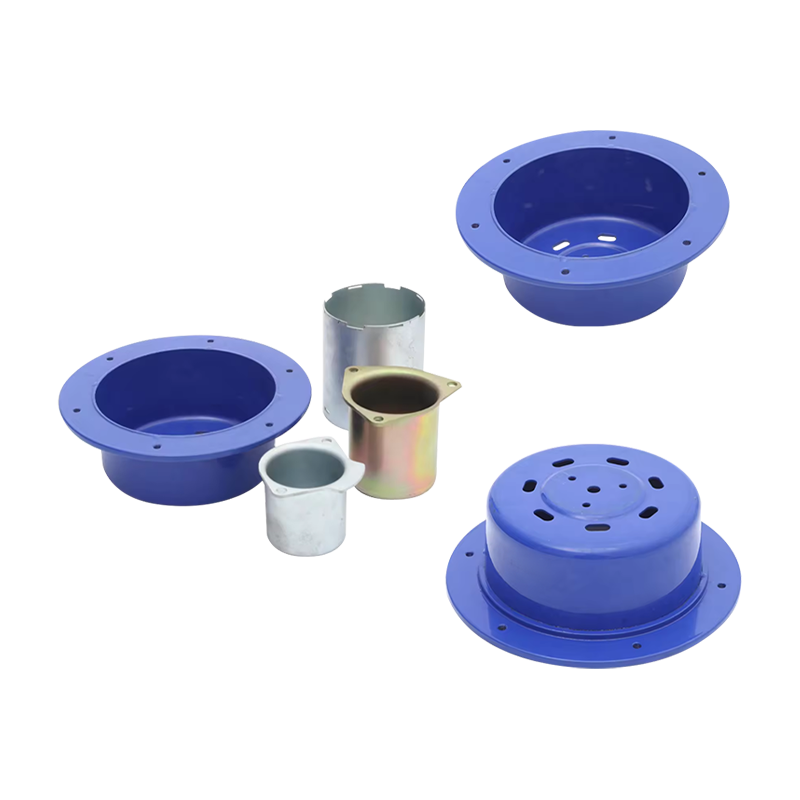
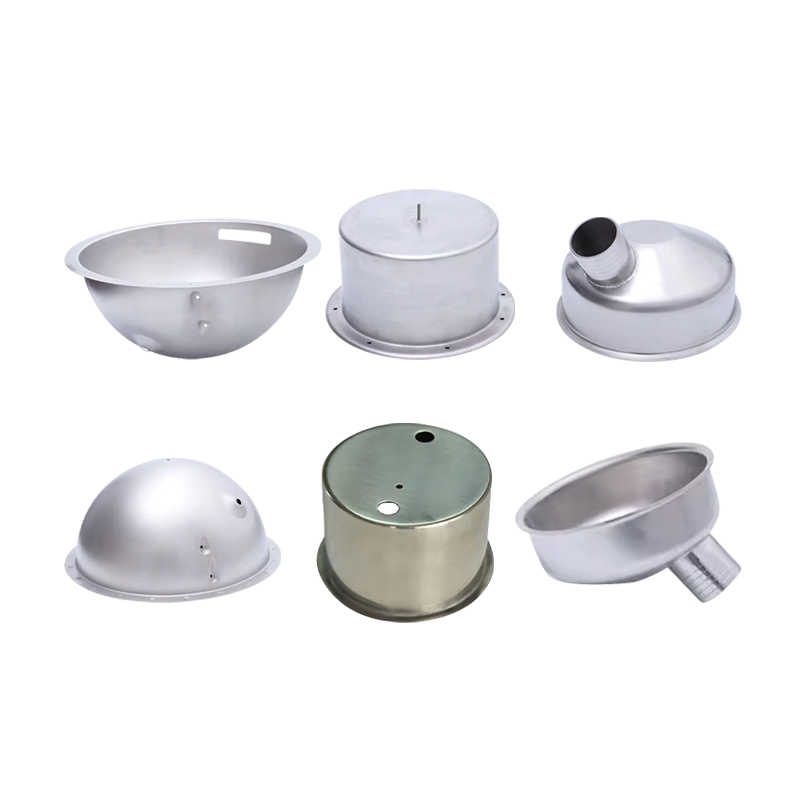
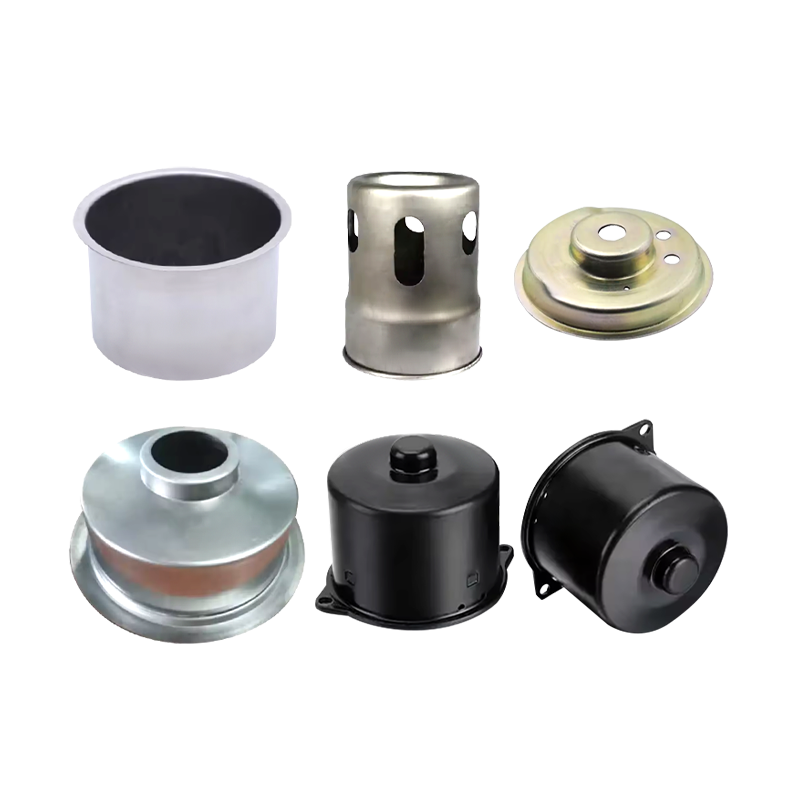
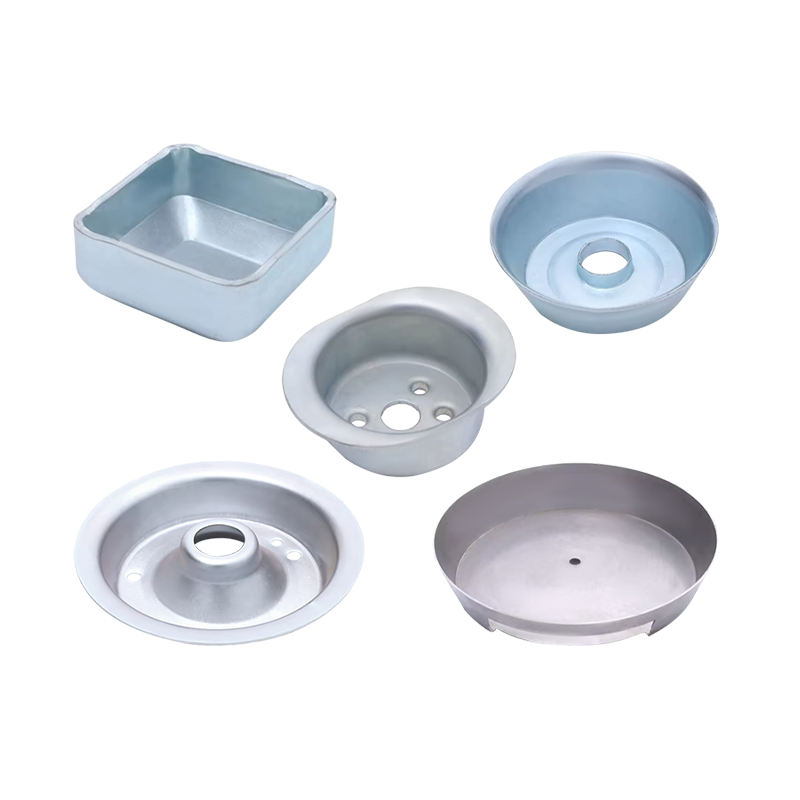
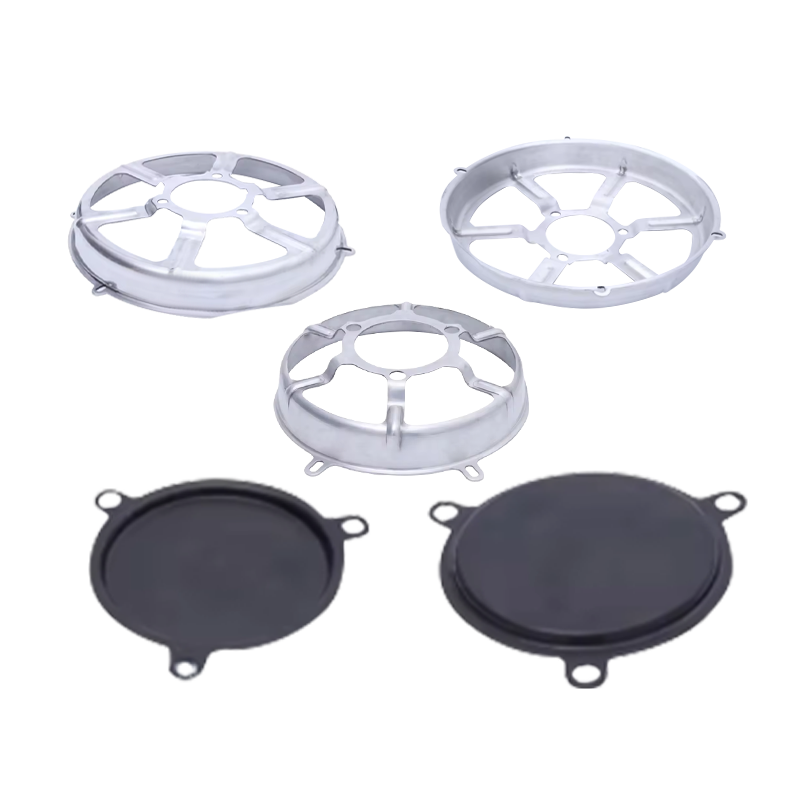
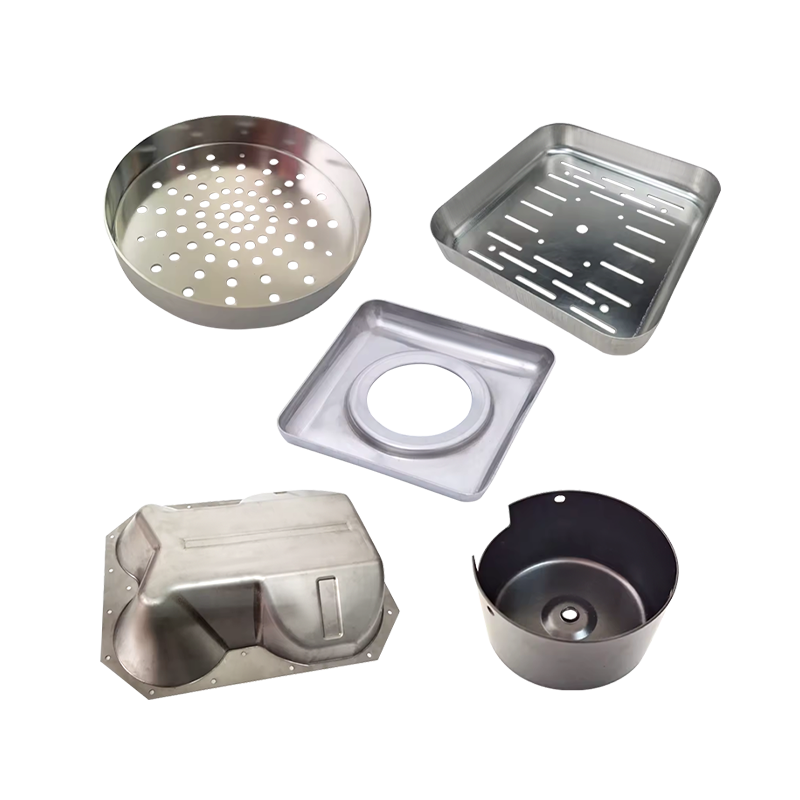
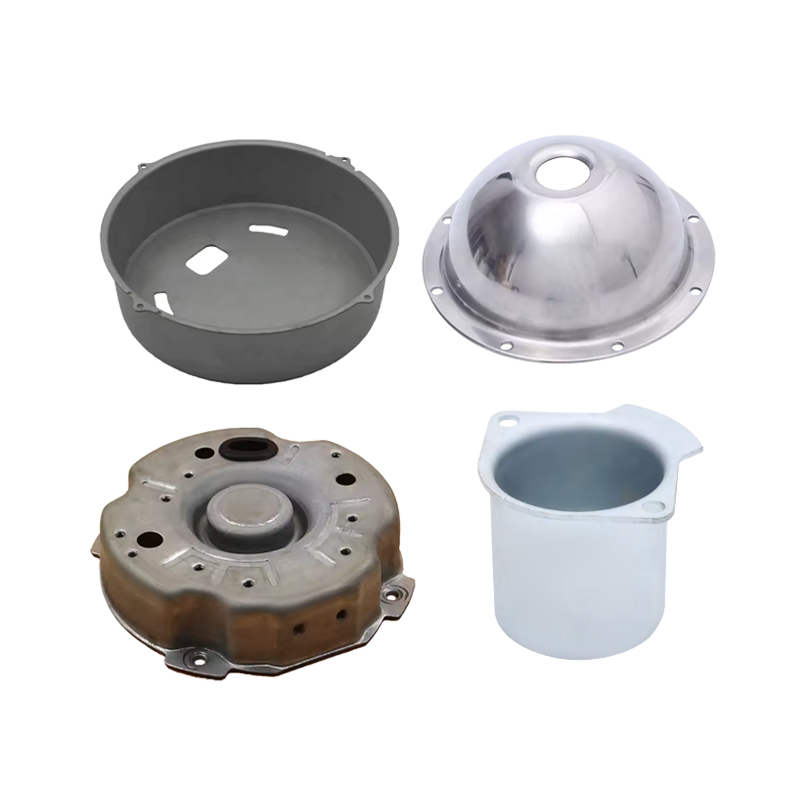
دی اس متال قطعات مهر زنی فلزی قابلیت هر یک از این معیارهای ارزیابی را با فرآیندهای کیفیت مستند، قابلیت ردیابی مواد، بازرسی در فرآیند، و ابزار دقیقی که برای پشتیبانی از خروجی ابعادی ثابت در برنامههای تولید با حجم بالا حفظ میشود، بررسی میکند.
پایه های پالت و شاخه های تودرتو چگونه کار می کنند؟
استفاده از قطعات مهر زنی فلزی چگونه می تواند کارایی تولید را بهبود بخشد؟
محصولات مرتبط
ارسال یک استعلام
در تماس با ما در صورت نیاز دریغ نکنید!
چه بخواهید شریک ما شوید یا به راهنمایی یا پشتیبانی حرفه ای ما در انتخاب محصول و راه حل های مشکل نیاز داشته باشید، کارشناسان ما همیشه آماده هستند تا در عرض 12 ساعت در سطح جهانی به شما کمک کنند.
تماس با ما
Phone:+86 139-5824-9488
FAX :+86 574-86150176
E-mail: [email protected] [email protected]
Address: واحد 2، ساختمان 19، پارک Zhichuangzhizao، منطقه صنعتی چنگدونگ، Xiangshan، Ningbo، 315705، ژجیانگ، چین
برای انتخاب با کیفیت بالا قطعات مهر زنی فلزی ، پنج حوزه را به ترتیب ارزیابی...
قطعات مهر زنی فلزی راندمان تولید را از طریق چهار مکانیسم به هم پیوسته بهبود می...
دسته بندی محصولات
موبایل
